
Understanding Maternal Emotional Neglect
Emotional neglect from a mother manifests as a consistent failure to respond to a daughter’s emotional needs, creating deep wounds and hindering healthy development.
This often stems from the mother’s own unresolved trauma or personality disorders, impacting her capacity for empathy and nurturing behaviors.
Recognizing this pattern is the first step towards healing, acknowledging the absence of the emotional support a daughter inherently deserves.
Defining a Mother Who Can’t Love
Defining a mother incapable of love isn’t about a complete absence of affection, but a profound deficit in emotional attunement. These mothers struggle to recognize, validate, or respond appropriately to their daughter’s feelings. It’s a consistent pattern of emotional unavailability, often masked by superficial gestures or conditional acceptance.
This can manifest as dismissing a daughter’s pain, minimizing her experiences, or prioritizing their own needs above her emotional well-being. Narcissistic traits frequently contribute, where the mother views her daughter as an extension of herself rather than an individual with unique emotions. Inherited trauma also plays a role, as these mothers may be repeating patterns from their own childhoods.
Ultimately, a mother who “can’t love” lacks the capacity for genuine empathy and consistent, unconditional support, leaving lasting scars on her daughter’s developing sense of self.
The Spectrum of Unloving Behaviors
Unloving behaviors from a mother aren’t monolithic; they exist on a spectrum. At one end lies overt emotional abuse – criticism, belittling, and verbal attacks. More subtle forms include consistent invalidation of feelings, emotional neglect, and a lack of genuine interest in a daughter’s life.
Manipulation and control are also common, often disguised as concern or guidance. A mother might use guilt trips, triangulation, or emotional blackmail to maintain power. Sometimes, it’s a pervasive coldness or detachment, a lack of warmth and affection that leaves a daughter feeling unseen and unworthy.
These behaviors, whether active or passive, create a toxic environment that erodes a daughter’s self-esteem and sense of security, hindering her emotional growth.
Distinguishing Narcissism from Other Conditions
Differentiating Narcissistic Personality Disorder (NPD) from other conditions is crucial for understanding a mother’s behavior. While depression or anxiety can cause emotional unavailability, NPD is characterized by a pervasive pattern of grandiosity, a need for admiration, and a lack of empathy.
Borderline Personality Disorder (BPD) shares some traits, like emotional dysregulation, but stems from a fear of abandonment, whereas narcissism centers on self-importance. Trauma can also manifest as emotional distance, but typically involves remorse and a desire for connection, absent in NPD.
Accurate diagnosis requires professional evaluation; however, recognizing these distinctions helps daughters understand the core dynamics at play and tailor their healing approach accordingly.

The Impact on Daughters
Daughters of emotionally unavailable mothers often experience profound feelings of inadequacy, low self-worth, and difficulty forming secure attachments, impacting their lives deeply.
Childhood Emotional Deprivation
Childhood emotional deprivation, stemming from a mother’s inability to provide consistent affection, validation, and attunement, creates a void within a daughter’s developing sense of self. This isn’t necessarily about dramatic events, but rather the absence of essential emotional nourishment.
Growing up feeling unseen and unheard can lead to internalized beliefs of being unworthy of love or attention. Daughters may learn to suppress their emotions, fearing rejection or further invalidation. This consistent lack of emotional mirroring hinders the development of a strong, secure identity and a healthy emotional regulation system.
Consequently, these daughters often struggle with feelings of emptiness, loneliness, and a persistent need for external validation, constantly seeking approval to fill the internal void left by maternal emotional neglect.
Internalized Beliefs and Self-Worth
Internalized beliefs formed during childhood, particularly within the context of an emotionally unavailable mother, profoundly impact a daughter’s self-worth. Constant criticism, invalidation, or simply a lack of emotional responsiveness can lead to deeply ingrained negative self-perceptions.
Daughters may internalize the message that they are “too much,” “not enough,” or inherently flawed, shaping their self-image and future relationships. This often manifests as chronic self-doubt, perfectionism, and a relentless pursuit of external validation.
These beliefs become self-fulfilling prophecies, influencing choices and behaviors that reinforce the original negative narrative. Breaking free requires conscious effort to challenge these ingrained patterns and cultivate self-compassion.
Attachment Styles and Relationship Patterns
Attachment styles, formed in early childhood, are significantly impacted by a mother’s emotional availability – or lack thereof. Daughters of emotionally neglectful mothers often develop insecure attachment styles, such as anxious-preoccupied, dismissive-avoidant, or fearful-avoidant.
These styles manifest in adult relationships as difficulty with trust, intimacy, and boundary setting. Anxious attachment may lead to clinginess and a fear of abandonment, while avoidant attachment can result in emotional distance and difficulty forming close connections.
Recognizing these patterns is crucial for fostering healthier relationships, learning to communicate needs effectively, and breaking cycles of unhealthy dynamics.

Healing Strategies for Daughters
Prioritize self-compassion and validation of your experiences, acknowledging the pain caused by emotional deprivation and beginning the journey toward self-healing.
Acknowledging and Validating Your Pain
The first, and often most difficult, step in healing is acknowledging the profound pain inflicted by a mother unable to provide consistent emotional support. For daughters, this manifests as a deep sense of invalidation, a feeling that their emotions were unimportant or even burdensome.
It’s crucial to understand that your feelings – sadness, anger, confusion, grief – are legitimate responses to a deeply damaging experience. Allow yourself to feel these emotions without judgment, recognizing they are not a sign of weakness, but rather evidence of your resilience.
Validate your inner child; the part of you that desperately needed a nurturing mother. Speak to her with kindness and compassion, assuring her that she was worthy of love and attention. Journaling, mindfulness, and creative expression can be powerful tools for processing and validating your pain.
Setting Boundaries with Your Mother
Establishing healthy boundaries is paramount when navigating a relationship with a mother incapable of offering consistent love and support. This isn’t about punishment, but self-preservation – protecting your emotional wellbeing from further harm. Boundaries define what behaviors you will and will not accept.
Start small, perhaps limiting the frequency of contact or the topics of conversation. Clearly communicate your needs and expectations, using “I” statements to avoid blame. Be prepared for resistance; narcissistic individuals often struggle with boundaries.
Consistency is key. Enforce your boundaries calmly and firmly, even when it’s difficult. Remember, you have the right to prioritize your own emotional health, even if it means creating distance from your mother.
Grieving the Mother You Deserved
Acknowledging the loss of the nurturing mother you deserved is a crucial, yet painful, part of the healing process. It’s a grief unlike others – mourning a relationship that never truly existed, a void filled with unmet emotional needs. Allow yourself to feel the sadness, anger, and disappointment without judgment.
This isn’t about dwelling on the past, but recognizing the impact of maternal emotional neglect on your life. Validate your pain; your feelings are legitimate. Journaling, therapy, or creative expression can provide outlets for processing this complex grief.
Understand that grieving is not linear; There will be setbacks and waves of emotion. Be patient with yourself and allow yourself the time and space to heal.

Therapeutic Approaches
Effective therapies include trauma-informed care, CBT to challenge negative beliefs, and attachment-based therapy to address relational patterns stemming from childhood experiences.
Trauma-Informed Therapy
Trauma-informed therapy recognizes the profound impact of emotional neglect as a form of relational trauma. It shifts the focus from “what’s wrong with you” to “what happened to you,” creating a safe and validating space for daughters to explore their experiences.
This approach acknowledges that behaviors developed in response to an unloving mother – such as people-pleasing, hypervigilance, or emotional numbing – were adaptive survival mechanisms, not character flaws.
Therapists utilizing this modality help daughters process painful memories, regulate their emotions, and rebuild a sense of safety and trust within themselves. It emphasizes empowerment and self-compassion, fostering resilience and healing from the deep wounds inflicted by maternal emotional unavailability.
Ultimately, it aims to dismantle the internalized narratives of worthlessness and self-blame often carried by daughters of emotionally neglectful mothers.
Cognitive Behavioral Therapy (CBT)
Cognitive Behavioral Therapy (CBT) offers daughters of emotionally unavailable mothers practical tools to challenge and change negative thought patterns and behaviors. It focuses on the connection between thoughts, feelings, and actions, helping individuals identify and modify distorted beliefs formed in childhood.
CBT assists in dismantling internalized messages of inadequacy and self-blame, replacing them with more realistic and compassionate self-talk. It equips daughters with skills to manage anxiety, depression, and other emotional difficulties stemming from their upbringing.
Through techniques like cognitive restructuring and behavioral experiments, CBT empowers daughters to break free from unhealthy patterns and build healthier coping mechanisms. It fosters a sense of agency and control over their emotional well-being, promoting lasting change.
Attachment-Based Therapy
Attachment-Based Therapy addresses the core wounds resulting from inconsistent or absent emotional attunement from a mother. This therapeutic approach recognizes that early childhood attachment experiences profoundly shape an individual’s ability to form healthy relationships throughout life.
It focuses on exploring the daughter’s attachment style – often anxious, avoidant, or disorganized – developed in response to the mother’s emotional unavailability. The therapy provides a safe and supportive environment to process painful emotions and unmet needs.
Through the therapeutic relationship, daughters can begin to experience secure attachment, fostering trust, self-worth, and the capacity for intimacy. It aims to repair disrupted attachment patterns and cultivate healthier ways of connecting with others.

Self-Care and Emotional Regulation
Prioritizing self-compassion and emotional regulation techniques is vital for daughters of emotionally unavailable mothers, fostering inner resilience and well-being.
Mindfulness and grounding exercises can help manage overwhelming emotions, while building a supportive network provides crucial validation.
Developing Self-Compassion
Self-compassion is paramount when healing from the emotional wounds inflicted by a mother unable to provide consistent love and nurturing. It involves treating yourself with the same kindness, care, and understanding you would offer a dear friend facing similar struggles.
This means acknowledging your pain without judgment, recognizing that your feelings are valid, and understanding that imperfections are a natural part of the human experience.
Often, daughters of emotionally neglectful mothers internalize harsh self-criticism, mirroring the lack of warmth they received.
Actively challenging these negative self-beliefs and replacing them with compassionate self-talk is a powerful step towards healing. Practice self-soothing activities, engage in gentle self-care, and remember that you deserve kindness, especially from yourself.
Cultivating self-compassion isn’t about excusing harmful behaviors; it’s about freeing yourself from the cycle of self-blame and fostering a loving relationship with your inner self.
Mindfulness and Grounding Techniques
Mindfulness and grounding techniques offer vital tools for daughters navigating the emotional aftermath of an unloving mother. These practices help regulate the nervous system and bring you back to the present moment, counteracting the anxiety and emotional dysregulation often stemming from childhood deprivation.
Mindfulness involves paying attention to your thoughts, feelings, and sensations without judgment. Simple exercises like focused breathing or body scan meditations can be incredibly effective.
Grounding techniques, such as the 5-4-3-2-1 method (identifying five things you see, four you touch, three you hear, two you smell, and one you taste), anchor you in the present reality.
Regular practice can reduce overwhelming emotions, increase self-awareness, and foster a sense of inner stability, empowering you to cope with difficult memories and feelings.
These techniques aren’t cures, but valuable skills for managing emotional distress and reclaiming a sense of control.
Building a Supportive Network
A strong support network is crucial for daughters healing from maternal emotional neglect. Having individuals who understand and validate your experiences can significantly mitigate feelings of isolation and shame, common consequences of growing up with an unloving mother.
Seek out friends, family members, or support groups where you feel safe expressing your emotions without judgment. Online communities and forums dedicated to daughters of narcissistic mothers can also provide a sense of belonging and shared understanding.

Sharing your story and connecting with others who have similar experiences normalizes your feelings and reinforces that you are not alone.
Prioritize relationships with people who are empathetic, respectful, and supportive of your healing journey. Avoid those who minimize your pain or invalidate your experiences.
Remember, healing is not a solitary process.
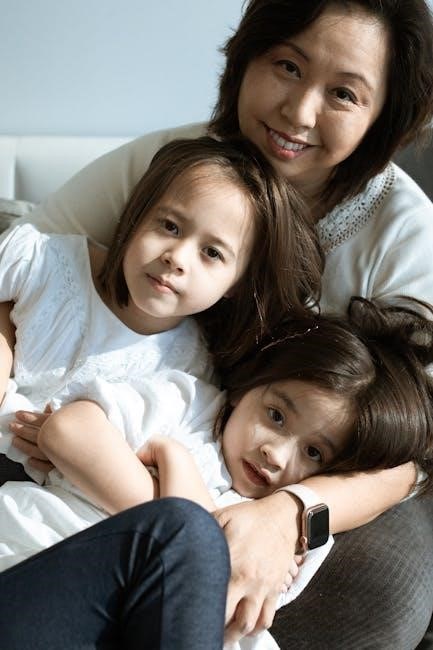
Breaking the Cycle
Understanding intergenerational trauma is key to preventing its continuation; daughters can consciously choose different parenting styles, fostering healthy attachments.
Awareness allows for intentional shifts, creating a future free from repeating harmful patterns experienced in childhood.
This proactive approach builds a healthier legacy.
Understanding Intergenerational Trauma
Intergenerational trauma refers to the transmission of unresolved trauma from one generation to the next. In the context of daughters raised by emotionally unavailable or narcissistic mothers, this manifests as inherited patterns of emotional dysregulation, insecure attachment, and difficulty with self-worth.
These mothers, often bearing their own childhood scars, may unconsciously perpetuate harmful dynamics. Research suggests that narcissistic traits can be linked to early childhood experiences, indicating a cycle of pain passed down through generations.
Recognizing this cycle isn’t about excusing the mother’s behavior, but understanding its origins. It allows daughters to break free from internalized beliefs and behaviors, acknowledging that they are not responsible for their mother’s wounds. By understanding the historical context of the family’s emotional patterns, daughters can begin to heal and create a different future for themselves and potentially, future generations.
Preventing the Transmission of Patterns
Breaking the cycle of intergenerational trauma requires conscious effort and a commitment to self-awareness. This involves actively challenging internalized negative beliefs and developing healthier coping mechanisms. Therapy, particularly trauma-informed approaches, can provide invaluable tools for processing past experiences and fostering emotional resilience.
Establishing firm boundaries with the mother, while difficult, is crucial. This doesn’t necessitate cutting off contact, but rather defining acceptable behavior and protecting one’s emotional well-being.
Furthermore, cultivating self-compassion and practicing mindful parenting (if applicable) are vital steps. By prioritizing emotional regulation and healthy attachment, daughters can consciously choose to nurture a different legacy for their own children, halting the transmission of harmful patterns and fostering a future built on love and understanding.
Creating a Healthy Future for Yourself
Building a fulfilling life after experiencing maternal emotional neglect centers on self-discovery and prioritizing your own needs. This involves actively cultivating self-worth independent of your mother’s validation, embracing your strengths, and pursuing passions that bring joy and purpose.
Nurturing healthy relationships based on mutual respect and emotional reciprocity is paramount. Surrounding yourself with a supportive network of friends and loved ones provides a safe space for vulnerability and growth.
Continual self-care, including mindfulness practices and emotional regulation techniques, will empower you to navigate challenges with resilience. Remember, healing is not a linear process, but a journey towards self-acceptance and a brighter, more empowered future.

Resources and Support
Numerous resources offer guidance and community, including books like Will I Ever Be Good Enough? and online forums for daughters of narcissistic mothers.
Seeking a qualified therapist specializing in trauma can provide personalized support and facilitate the healing process.
Recommended Books (e.g., Will I Ever Be Good Enough?)
Literature offers invaluable support for daughters navigating the complexities of emotionally unavailable or narcissistic mothers. Karyl McBride’s Will I Ever Be Good Enough? Healing the Daughters of Narcissistic Mothers is frequently recommended by therapists and readers alike, providing a framework for understanding the dynamics at play.
This book helps daughters identify the patterns of emotional abuse, challenge internalized negative beliefs, and begin the journey toward self-compassion and healing. Other helpful titles explore attachment theory, codependency, and boundary setting, empowering daughters to reclaim their emotional well-being.
These resources provide validation, practical tools, and a sense of not being alone in this challenging experience, fostering hope and resilience.
Online Communities and Forums
Connecting with others who understand the unique pain of having an emotionally unavailable mother can be profoundly healing. Numerous online communities and forums offer a safe space for daughters to share their experiences, find validation, and receive support.
These platforms provide a sense of belonging and reduce feelings of isolation, allowing daughters to realize they are not alone in their struggles. However, it’s crucial to choose communities carefully, prioritizing those that are moderated and promote healthy boundaries.
Remember to prioritize your emotional safety and avoid engaging in negativity or comparisons; focus on mutual support and encouragement.
Finding a Qualified Therapist
Seeking professional guidance is a vital step in healing from the emotional wounds inflicted by an unloving mother. A qualified therapist can provide a safe and supportive environment to explore your experiences, process your emotions, and develop healthy coping mechanisms.
Look for therapists specializing in trauma, narcissistic abuse, or attachment issues. Trauma-informed therapy, CBT, and attachment-based therapy are particularly effective approaches.
Verify their credentials and experience, and don’t hesitate to schedule initial consultations to find a therapist you feel comfortable and connected with – a strong therapeutic alliance is key to successful healing.

Navigating Complex Emotions
Healing evokes intense feelings – guilt, shame, anger, and resentment are common. Acknowledge these emotions without judgment, allowing yourself space to process and release them.
Self-compassion is crucial during this journey, recognizing that your reactions are valid responses to difficult experiences.
Forgiveness, if chosen, is for your peace, not condoning harmful behavior.
Dealing with Guilt and Shame
Guilt and shame are pervasive emotions for daughters of emotionally unavailable mothers, often stemming from internalized beliefs that they were somehow responsible for their mother’s inability to provide love and nurturing.
It’s vital to understand that a mother’s emotional deficiencies are her issues, not reflections of your worth. Challenging these deeply ingrained beliefs requires self-compassion and recognizing that you deserved consistent emotional support.
Therapy can provide a safe space to explore these feelings, dismantle harmful narratives, and cultivate self-worth. Remember, feeling guilt or shame doesn’t mean you are guilty or shameful; it signifies the impact of a dysfunctional dynamic.
Practice self-forgiveness and actively counter negative self-talk with affirmations of your inherent value.
Managing Anger and Resentment
Anger and resentment are natural responses to experiencing emotional neglect and the pain of not receiving a mother’s love. Suppressing these feelings can be detrimental to your well-being, leading to internal turmoil and potential health issues.
Healthy expression is key. This doesn’t mean lashing out, but rather finding constructive outlets like journaling, art, or exercise. Therapy offers a safe space to process these complex emotions without judgment.
Recognize that your anger is valid; it’s a signal that boundaries were violated and needs unmet. Learning to assert yourself and set healthy boundaries is crucial for protecting your emotional energy.
Allow yourself to feel the anger, acknowledge its source, and then release it in a way that empowers you, not harms you.
Acceptance and Forgiveness (Optional)
Acceptance doesn’t equate to condoning your mother’s behavior; it’s acknowledging the reality of the situation – that she may be incapable of providing the love you needed. This is about releasing the hope for a different past and focusing on your present healing.
Forgiveness is a deeply personal choice, and it’s absolutely okay if you’re unable or unwilling to forgive. It’s not a requirement for healing. For some, it can be liberating, while for others, it feels like betrayal.
Prioritize your own peace. If forgiveness feels harmful, focus on detaching with compassion – understanding her limitations without allowing them to continue impacting your life.

Ultimately, healing is about self-compassion and creating a future free from the weight of unmet maternal needs.