Manual to automatic conversion kits modernize vehicles, offering convenience and reduced fatigue through smoother gear shifting – adapting to diverse driving scenarios effectively.
These kits enable a transition, enhancing the driving experience for daily commutes and longer journeys, providing a more responsive and adaptable performance.
What is a Manual to Automatic Conversion Kit?
A manual to automatic conversion kit is a comprehensive package designed to facilitate the transformation of a vehicle originally equipped with a manual transmission into one utilizing an automatic transmission. These kits aren’t simply about swapping gearboxes; they encompass a multitude of components necessary for a seamless integration.
Typically, a kit includes a complete automatic transmission assembly, a new Engine Control Unit (ECU) or reprogramming services for the existing one, and a modified wiring harness to ensure compatibility. Crucially, they often feature a new pedal box, removing the clutch pedal, alongside interior modifications like a revised center console and shifter assembly. Some kits, particularly those for specific vehicle models like certain Volvos, can be surprisingly affordable, even under $400, encompassing many of these essential parts.
The goal is to provide everything needed for a functional and reliable conversion, eliminating the need for extensive sourcing of individual parts.
Benefits of Converting to Automatic
Converting from a manual to an automatic transmission offers a significant enhancement in convenience, particularly for daily commuting and navigating congested traffic. The elimination of constant gear shifting reduces driver fatigue, making longer journeys more comfortable and less demanding.
Automatic transmissions inherently provide adaptability, intelligently adjusting to varying driving conditions for smoother acceleration and optimized performance. This adaptability translates to a more responsive driving experience, enhancing overall control. Furthermore, a conversion can broaden a vehicle’s appeal, potentially increasing its resale value by catering to a wider range of drivers who prefer automatic operation.
Ultimately, it’s about simplifying the driving experience and maximizing enjoyment.

Cost Breakdown of a Conversion Kit (as of 02/01/2026)
As of today’s date, expect comprehensive conversion kits – encompassing ECU, transmission, and associated components – to range around the $20,000 investment mark.
ECU and Control Systems Costs
The Electronic Control Unit (ECU) represents a significant portion of the conversion expense, typically reaching $20,000 as of February 1st, 2026. This cost stems from the necessity of a sophisticated system capable of managing the automatic transmission’s operation, integrating seamlessly with the vehicle’s existing systems.
Beyond the ECU itself, substantial costs arise from the wiring harness modifications and programming required to ensure compatibility. These control systems must accurately interpret signals from various sensors – speed, throttle position, and brake input – to execute smooth and efficient gear changes. Furthermore, diagnostic capabilities are crucial for identifying and resolving any potential issues post-conversion, adding to the overall investment.
Proper calibration and tuning are essential for optimal performance and reliability, often requiring specialized expertise and equipment.
Transmission Costs
The automatic transmission itself constitutes a major expense within the conversion kit, contributing significantly to the overall $20,000 budget (as of 02/01/2026). The price varies considerably based on the transmission’s type – whether it’s a standard automatic, a more advanced electronically controlled unit, or a performance-oriented option.
Rebuilt or used transmissions can offer cost savings, but they may come with reduced warranties and potential reliability concerns. New transmissions provide peace of mind but represent a substantial investment. Associated costs include a torque converter, which is essential for transferring power from the engine to the transmission, and potentially a new driveshaft if length adjustments are needed.
Installation complexities can also inflate costs, requiring professional expertise.
Additional Component Costs (Cams, Clutch, Linkage, Shifter, Console)
Beyond the core ECU and transmission, several supplementary components contribute to the $20,000 conversion cost. While a clutch and manual shifter become obsolete, their removal and associated linkage adjustments still require labor. A new center console, compatible with automatic gear selection, is essential for a clean and functional interior.
Although camshafts weren’t initially the focus, they are often addressed during the process, adding to expenses. Pedal box modifications, or a complete replacement, are necessary to accommodate the removal of the clutch pedal. These seemingly minor parts accumulate quickly, impacting the overall budget. Volvo kits, surprisingly, can be found for under $400, including many of these parts.

Compatibility and Vehicle Selection
Determining vehicle compatibility is crucial before starting a conversion; certain models lend themselves more readily to automatic transmission swaps, requiring less modification.
Enthusiast groups, like those for Celica owners, can provide valuable insights and potentially locate affordable conversion components.
Identifying Compatible Vehicles
Successfully implementing a manual to automatic conversion hinges on accurately identifying compatible vehicles. Not all cars are equally suited for this modification; some present significant hurdles due to unique chassis designs or complex electronic systems. Generally, older vehicles, or those with simpler wiring harnesses, tend to be more straightforward conversion candidates.
Researching online forums and communities dedicated to specific car models is invaluable. Owners who have already undertaken similar conversions can offer firsthand experience and guidance. Key factors to consider include the availability of aftermarket conversion kits, the ease of ECU integration, and the physical space within the transmission tunnel to accommodate the automatic transmission.
Vehicles with readily available parts and a strong enthusiast base often prove to be more manageable projects. Thorough investigation before committing to the conversion process will save time, money, and potential frustration.
Popular Vehicles for Conversion
Certain vehicles consistently appear as popular choices for manual-to-automatic conversions, largely due to parts availability and established community support. The BMW E30 and E46 series are frequently mentioned, with enthusiasts actively sharing experiences and resources online. Older Celicas also demonstrate a surprising level of conversion feasibility, particularly with access to specific enthusiast groups.
Volvo models, surprisingly, can be converted for under $400 utilizing readily available kits encompassing pedal boxes, transmissions, and interior components. This affordability makes them an attractive option. The specific year and model significantly impact compatibility, so diligent research is crucial.
Ultimately, the “popularity” of a conversion depends on individual needs and access to resources. However, these models represent strong starting points for those considering this modification.
The Conversion Process: A Step-by-Step Guide
The conversion involves meticulous disassembly of manual components, automatic transmission installation, ECU and wiring integration, and interior modifications like pedal box adjustments.
Step 1: Disassembly of Manual Components
Initiating the conversion demands a comprehensive removal of existing manual transmission elements. This crucial first step involves disconnecting the driveshaft, carefully detaching the manual transmission itself, and removing the clutch assembly, including the pressure plate and disc.
The shift linkage, shifter mechanism within the cabin, and the manual pedal box must also be completely disassembled. Don’t forget to disconnect and safely store the wiring connected to these components.
Inspect all removed parts for wear and potential reuse in other applications, if applicable. Thorough cleaning of the engine bay and transmission tunnel is recommended before proceeding to the next installation phase, ensuring a clean workspace.
Step 2: Installation of Automatic Transmission
With manual components removed, carefully position the automatic transmission into the designated space. Ensure proper alignment with the engine’s flexplate, securing it with the appropriate bolts, tightened to the manufacturer’s specifications.
Connect the driveshaft, verifying correct length and balance. Install the new automatic pedal box, ensuring secure mounting and proper functionality. The transmission cooler lines must be routed and connected, vital for preventing overheating.
Double-check all connections – mounting bolts, cooler lines, and the driveshaft – before proceeding. A preliminary check for any obstructions or interference is crucial for a smooth integration.
Step 3: ECU and Wiring Harness Integration
The ECU installation is critical; connect the new automatic transmission-compatible ECU, ensuring all wiring harnesses are securely attached. This often involves splicing and adapting existing wiring to match the automatic system’s requirements.
Pay close attention to the throttle position sensor, speed sensors, and shift solenoid connections. Proper grounding is essential for reliable operation. Utilize wiring diagrams provided with the conversion kit to avoid errors.
After connection, perform a preliminary ECU scan for error codes, addressing any issues before proceeding. A transparent process and detailed explanations are vital during this complex step.
Step 4: Pedal Box and Interior Modifications
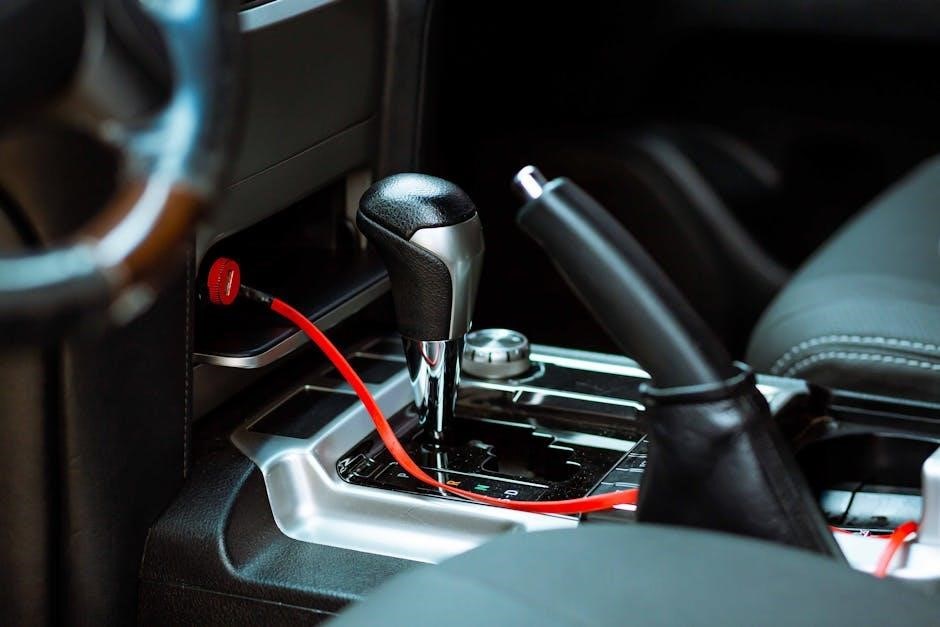
Interior adjustments are necessary, beginning with the pedal box – removing the clutch pedal is standard. Install the automatic shifter assembly, ensuring secure mounting and proper linkage to the transmission. Console modifications may be needed to accommodate the new shifter position.
Carefully route the shifter cable, avoiding any interference with other components. Some kits include a new center console, while others require adapting the existing one. Ensure all interior panels are correctly reinstalled, maintaining a clean and finished appearance.
Verify the shifter engages all gears smoothly and accurately before finalizing the installation.

Sourcing Conversion Kits
Conversion kits are available from online retailers, automotive specialists, and enthusiast groups; Volvo kits can be found under $400, depending on sourcing and connections.
Online Retailers and Suppliers
Numerous online platforms specialize in automotive modifications, offering a wide selection of manual to automatic conversion kits. These retailers often provide detailed product descriptions, compatibility charts, and customer reviews to aid in the selection process. Key players in this market include dedicated conversion kit suppliers, as well as larger automotive parts distributors.
When purchasing online, it’s crucial to verify the supplier’s reputation, return policies, and warranty information. Look for retailers with secure payment gateways and responsive customer support. Comparing prices across multiple platforms is also recommended to ensure you’re getting a competitive deal. Shipping costs and delivery times should also be factored into your decision. Some suppliers offer complete kits, while others allow you to purchase components individually.
Careful research and due diligence are essential when sourcing conversion kits online to guarantee quality and compatibility.
Local Automotive Specialists
Engaging with local automotive specialists offers personalized expertise and potential benefits for your conversion project. These shops often possess in-depth knowledge of vehicle-specific modifications and can provide tailored recommendations based on your needs. They may also offer installation services, ensuring a professional and reliable outcome.
Local specialists can assist with identifying compatible kits, sourcing necessary components, and troubleshooting any challenges that may arise during the conversion process. Building a relationship with a trusted mechanic can be invaluable, providing ongoing support and maintenance after the installation.
Furthermore, local shops may have access to specialized tools and equipment, streamlining the installation and ensuring accuracy. Don’t hesitate to seek quotes and compare services from multiple local providers.
Volvo Conversion Kit Examples (Cost under $400)
Remarkably, Volvo conversion kits present a budget-friendly entry point into automatic transmission upgrades, with complete packages available for under $400. These kits typically encompass essential components like the pedal box, automatic transmission itself, necessary driveline parts, and even interior pieces for a seamless integration.
Finding these affordable options often relies on connecting with Volvo enthusiast groups or online marketplaces specializing in used or salvaged parts. Such kits represent significant savings compared to purchasing components individually. However, verifying the kit’s completeness and condition is crucial before committing to a purchase.
Availability can fluctuate, so diligent searching and networking within the Volvo community are recommended to secure a cost-effective conversion solution.
Regulatory Compliance and Legal Considerations
Conversion legality hinges on adhering to local regulations; ensuring your modified vehicle meets all legal requirements is paramount for compliant and trouble-free operation.
Local Regulations and Requirements
Navigating local regulations is crucial before undertaking a manual to automatic conversion. Requirements vary significantly by region, often involving inspections to verify the modification’s safety and adherence to emissions standards. Some jurisdictions may necessitate an updated Vehicle Identification Number (VIN) or require re-certification of the vehicle.
Thorough research into your specific state or local laws is essential. Contacting your Department of Motor Vehicles (DMV) or equivalent agency can provide clarity on necessary documentation, inspection procedures, and potential restrictions. Ignoring these regulations can lead to fines, failed inspections, or even the inability to legally operate the converted vehicle.
Documentation of all parts used and the conversion process itself is highly recommended, serving as proof of compliance during inspections. Prioritize understanding and fulfilling all legal obligations to ensure a smooth and lawful conversion.
Ensuring Vehicle Legality Post-Conversion
Post-conversion legality hinges on meticulous adherence to regulations. Following the installation, a comprehensive inspection is often required to confirm the automatic transmission functions correctly and doesn’t compromise vehicle safety or emissions. Documentation detailing the conversion – including parts receipts and a record of the work performed – is vital.
Verification that all safety features, like braking systems, remain fully operational is paramount. Some regions mandate a VIN verification to reflect the altered drivetrain. Failure to comply can result in legal repercussions, including fines or the inability to register or insure the vehicle.
Proactive compliance ensures a hassle-free experience and allows you to enjoy your converted vehicle legally and safely. Prioritize thoroughness and documentation throughout the entire process.
Potential Challenges and Troubleshooting
Installation issues and compatibility problems can arise; careful planning and diagnostic tools are essential for resolving these, ensuring a smooth conversion process.
Common Issues During Installation
Wiring harness integration frequently presents challenges, demanding meticulous attention to detail and potentially requiring custom connections for the ECU. Pedal box modifications can be tricky, ensuring proper brake and throttle functionality with the automatic system.
Transmission mounting sometimes requires shimming or adjustments to align correctly, preventing vibrations or stress on components. Linkage adjustments, even with kits, may need fine-tuning for smooth gear selection. Unexpectedly, driveline angles can become problematic, necessitating adjustments to the driveshaft length or differential position.
Finally, clearance issues between the automatic transmission and the vehicle’s chassis are not uncommon, potentially requiring minor modifications to the transmission tunnel. Thorough pre-installation checks and a detailed understanding of the vehicle’s layout are crucial for mitigating these issues.
Addressing Compatibility Problems
ECU mismatches often require reprogramming or utilizing an adjustable ECU to ensure seamless communication with the new transmission. Driveline inconsistencies, like differing flange patterns, necessitate adapter plates or custom driveshafts.
Shifter cable incompatibility can be resolved with universal cables or fabrication of custom linkages. Pedal box conflicts may demand sourcing a compatible pedal assembly or modifying the existing one. Console fitment issues are common, potentially requiring trimming or a custom console solution;
Sensor discrepancies, such as speed sensors, often need adapters or recalibration. Thorough research and a willingness to adapt components are key to overcoming these hurdles, ensuring a functional conversion.

Long-Term Maintenance and Reliability
Regular automatic transmission servicing – fluid changes and filter replacements – is crucial for longevity. Monitor for potential wear and tear on adapted components, ensuring sustained performance.
Automatic Transmission Servicing
Maintaining the automatic transmission post-conversion is paramount for its longevity and reliable operation. Unlike manual transmissions requiring less frequent attention, automatics demand scheduled fluid checks and changes. Typically, a fluid and filter service should be performed every 30,000 to 60,000 miles, depending on driving conditions and the manufacturer’s recommendations for the specific transmission model installed.
Regular inspections should also include checking for leaks around the transmission seals and cooler lines. Addressing minor leaks promptly prevents more significant damage. Furthermore, monitoring the transmission’s performance for any unusual noises, slipping, or harsh shifting is vital. Early detection of these issues allows for timely repairs, preventing costly overhauls. Utilizing the correct type of transmission fluid is non-negotiable, as using the wrong fluid can lead to severe internal damage.
Potential Wear and Tear Considerations
Converted automatic transmissions, while offering convenience, may exhibit unique wear patterns. Components like the torque converter, valve body, and planetary gearsets are susceptible to wear over time, especially with aggressive driving. Regular fluid checks are crucial, as degraded fluid accelerates wear.
Increased stress on certain components can occur due to the altered driving dynamics post-conversion. Monitoring for slipping, harsh shifts, or unusual noises is essential for early detection of potential issues. Additionally, the electronic control systems governing the transmission require periodic diagnostics to ensure optimal function. Proactive maintenance and addressing minor issues promptly can significantly extend the transmission’s lifespan and prevent costly repairs down the line.