
Navigating aged care interviews requires thoughtful preparation‚ as demand for skilled professionals steadily rises; understanding common question types is crucial for success.
Aged care interviews often explore technical knowledge‚ past experiences‚ and personality traits‚ assessing your suitability for providing compassionate and effective care.

Success in these interviews hinges on demonstrating a genuine passion for elderly care‚ alongside practical skills and a commitment to resident well-being.
The Growing Demand for Aged Care Professionals
The aged care sector is experiencing unprecedented growth‚ driven by an aging global population and increasing life expectancies. This surge creates substantial demand for dedicated and qualified professionals across various roles‚ from direct care workers to registered nurses and management positions. Consequently‚ competition for these positions is intensifying‚ making thorough interview preparation paramount.
This escalating demand isn’t merely numerical; it reflects a growing recognition of the vital importance of specialized care for seniors. Employers are actively seeking candidates who not only possess the necessary skills and qualifications but also demonstrate genuine empathy‚ compassion‚ and a strong ethical foundation; Understanding this context is key when answering interview questions‚ allowing you to articulate your commitment to providing high-quality care in a rapidly evolving field. Preparing for questions about your motivations and career aspirations is therefore essential.
Successfully navigating interviews requires showcasing your awareness of these industry trends and your readiness to contribute to a sector facing significant challenges and opportunities.
Importance of Preparation
Thorough preparation is absolutely critical for success in aged care interviews. Simply possessing the required qualifications isn’t enough; you must demonstrate a proactive understanding of the role and the sector’s unique demands. This involves researching common interview questions‚ formulating thoughtful responses‚ and practicing articulating your skills and experiences effectively.
Anticipating potential questions allows you to structure your answers using frameworks like the STAR method (Situation‚ Task‚ Action‚ Result)‚ providing concrete examples of your capabilities. Preparing questions to ask the interviewer demonstrates genuine interest and initiative‚ showcasing your engagement with the opportunity.
Moreover‚ tailoring your responses to the specific job description is essential‚ highlighting how your skills align with the employer’s needs. A well-prepared candidate conveys professionalism‚ confidence‚ and a sincere commitment to providing exceptional care‚ significantly increasing their chances of securing the position.

Common Interview Question Categories
Aged care interviews typically assess candidates through technical knowledge‚ experiential evaluations of past performance‚ and personality-based questions to gauge overall fit.

Technical Questions – Assessing Your Knowledge
Technical questions in aged care interviews aim to verify your understanding of core care principles and practical procedures. Expect inquiries about infection control protocols‚ medication administration guidelines‚ and emergency response procedures‚ like fall prevention and management.
Interviewers may ask about specific conditions common in aged care‚ such as dementia or diabetes‚ testing your knowledge of appropriate care strategies and symptom recognition. Demonstrating familiarity with relevant legislation and care standards is also vital.
Preparation involves reviewing your training materials‚ familiarizing yourself with current best practices‚ and understanding the facility’s specific policies. Accurate appraisal of the job description is important‚ showing you’ve researched the role and its technical demands.
Examples include: “What procedures might you follow when organizing home care visits?” or “What inspired you to become a Long Term Care Nurse?”
Experiential Questions – Evaluating Your Past Performance
Experiential questions delve into your practical experience‚ seeking to understand how you’ve applied your knowledge in real-world scenarios. Interviewers want to assess your problem-solving skills‚ decision-making abilities‚ and ability to handle challenging situations effectively.
Expect questions like “Tell me about a time you had to deal with a difficult resident” or “Can you walk us through your previous experience?” These questions aren’t just about what you did‚ but how you approached the situation and the outcome;
The STAR method (Situation‚ Task‚ Action‚ Result) is invaluable here. Structure your responses to clearly outline the context‚ your role‚ the steps you took‚ and the positive results achieved. Prepare examples demonstrating improved care quality or successful conflict resolution.
Focus on showcasing your ability to learn from experiences and contribute positively to a care team.
Personality-Based Questions – Gauging Your Fit
Personality-based questions aim to determine if your values and character align with the compassionate and patient-focused environment of aged care. Interviewers seek individuals who demonstrate empathy‚ resilience‚ and a genuine desire to improve the lives of residents.
Expect inquiries such as “What inspired you to work in aged care?” or “How do you handle stressful situations?” These aren’t trick questions; they’re opportunities to showcase your intrinsic motivation and emotional intelligence.
Authenticity is key. Share genuine reasons for your interest in the field‚ highlighting your compassion and dedication. Demonstrate self-awareness by acknowledging potential challenges and outlining your coping mechanisms.
Remember to emphasize teamwork‚ communication skills‚ and a positive attitude – qualities highly valued in aged care settings.

Top Interview Questions & Example Answers
Prepare for common inquiries like “Tell me about yourself‚” “How do you handle difficult residents‚” and “What would you do if a resident falls?”
“Tell Me About Yourself” – Focusing on Passion & Skills
This seemingly simple question is your opportunity to make a strong first impression. Avoid reciting your entire life story; instead‚ focus on aspects relevant to aged care.
Highlight your passion for working with the elderly‚ perhaps referencing a rewarding experience caring for a family member. Mention relevant qualifications‚ such as a Certificate III in Individual Support‚ and emphasize any hands-on experience gained through internships or volunteer work.
Showcase key skills like compassion‚ patience‚ communication‚ and teamwork. Briefly describe how these skills have contributed to positive outcomes in previous roles or experiences.
Frame your answer to demonstrate your genuine interest in a career in aged care and your commitment to providing high-quality‚ person-centered care.
Example: “I’ve always felt drawn to helping others‚ and I discovered a particular passion for working with seniors. I recently completed my Certificate III and gained valuable experience during my internship‚ where I honed my skills in providing compassionate support and building rapport with residents.”
“How Do You Handle Difficult Residents?” – Demonstrating Patience & De-escalation
Interviewers use this question to assess your emotional intelligence and ability to manage challenging situations with empathy and professionalism. Avoid negative language or blaming residents; focus on your proactive approach.
Emphasize patience as a core strength‚ and explain your understanding that difficult behavior often stems from underlying issues like pain‚ frustration‚ or cognitive decline. Describe your ability to remain calm and composed under pressure.
Detail your de-escalation techniques‚ such as active listening‚ validating feelings‚ and redirecting attention. Highlight your commitment to understanding the resident’s perspective and finding peaceful resolutions.
Mention seeking support from colleagues or supervisors when necessary‚ demonstrating your awareness of professional boundaries and teamwork.
Example: “I understand that challenging behaviors are often a sign of unmet needs. I would prioritize active listening‚ attempting to understand the resident’s concerns‚ and using a calm‚ reassuring tone to de-escalate the situation.”
“What Would You Do If a Resident Falls?” – Showcasing Safety Protocol Knowledge
This question assesses your understanding of crucial safety procedures and your ability to react effectively in an emergency. Interviewers want to see a calm‚ methodical response prioritizing resident well-being.
Clearly outline the steps you would take: ensure the immediate safety of the environment‚ assess the resident for injuries (without moving them unless absolutely necessary)‚ and immediately call for assistance.
Demonstrate knowledge of reporting protocols‚ emphasizing the importance of accurate documentation and incident reporting. Mention your awareness of fall prevention strategies and contributing factors.
Highlight your understanding that even seemingly minor falls require thorough assessment and follow-up to prevent future incidents.
Example: “My first priority would be ensuring the resident’s safety and calling for help. I would not attempt to move them‚ and would carefully assess for any visible injuries while awaiting assistance‚ then complete a detailed incident report.”
“What Inspired You to Work in Aged Care?” – Highlighting Compassion & Motivation
This question delves into your personal values and genuine interest in the field. Interviewers seek candidates driven by empathy and a desire to make a positive impact on the lives of others.
Avoid generic responses; instead‚ share a specific experience or connection that sparked your passion. Perhaps a positive relationship with a grandparent or a desire to provide comfort and support to vulnerable individuals.
Emphasize your understanding of the unique challenges and rewards of aged care‚ demonstrating a realistic and compassionate perspective. Show that you view this as more than just a job.
Highlight your belief in the dignity and worth of every resident‚ and your commitment to providing person-centered care.

Example: “My grandmother received wonderful care in her later years‚ which inspired me to provide that same level of compassion and support to others needing assistance.”
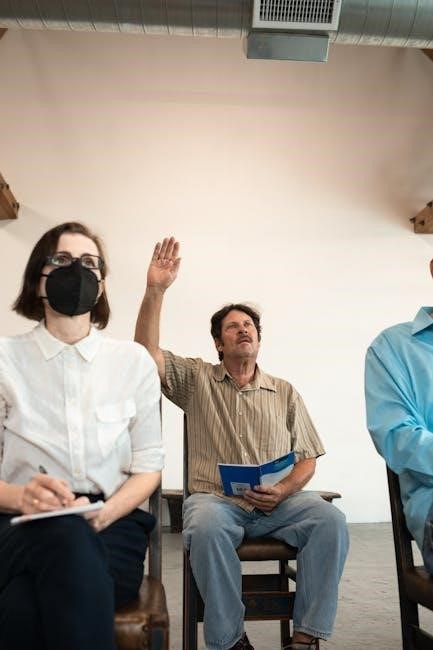
Behavioral Questions & The STAR Method
Behavioral questions assess past performance; the STAR method – Situation‚ Task‚ Action‚ Result – provides a structured framework for compelling and detailed responses.
Understanding the STAR Technique (Situation‚ Task‚ Action‚ Result)
The STAR technique is a powerful method for answering behavioral interview questions‚ commonly used in aged care assessments. It ensures your responses are comprehensive and demonstrate your capabilities effectively. Situation describes the context – where and when the event occurred‚ providing necessary background.
Task outlines your specific responsibility or the challenge you faced within that situation. Clearly define what you needed to achieve. Action details the steps you took to address the task or challenge‚ focusing on your individual contribution. Be specific and avoid generalizations.
Finally‚ Result highlights the outcome of your actions‚ quantifying it whenever possible. What positive impact did your actions have? Demonstrating a clear understanding and application of the STAR method showcases your problem-solving skills and ability to learn from experiences‚ crucial qualities in aged care.
Example STAR Response: Improving Care Quality
Situation: During my internship at a residential facility‚ I noticed inconsistent documentation of resident food and fluid intake‚ potentially impacting nutritional monitoring. Task: My responsibility was to improve the accuracy and completeness of these records to ensure residents received adequate nourishment.
Action: I developed a simplified‚ standardized intake chart‚ collaborating with nursing staff for feedback. I then provided one-on-one training sessions‚ emphasizing the importance of accurate recording and demonstrating the new chart’s ease of use. I also implemented a daily audit system to identify and address any gaps.
Result: Within two weeks‚ documentation accuracy increased by 40%‚ leading to better nutritional assessments and proactive intervention for residents at risk of dehydration or malnutrition. This initiative was praised by the facility manager and integrated into standard operating procedures.

Questions to Ask the Interviewer
Thoughtful questions demonstrate genuine interest and initiative; inquire about team dynamics‚ training opportunities‚ and the facility’s approach to resident-centered care.
Asking about career development shows ambition and a long-term commitment‚ while clarifying expectations ensures a good fit for both parties involved.
Demonstrating Interest & Initiative
Asking insightful questions at the end of the interview isn’t merely polite; it’s a powerful demonstration of your genuine interest in the role and the organization.
Prepare a few questions beforehand‚ tailored to the specific facility and position‚ showcasing you’ve researched their values and services. Avoid questions easily answered online.
Examples include inquiring about the team’s collaborative approach‚ opportunities for professional development‚ or the facility’s philosophy on resident care and family involvement.
Specifically‚ you could ask about the challenges and rewards of working within their team‚ or how they support staff well-being; This shows proactive thinking.
Furthermore‚ asking about the facility’s long-term goals demonstrates your desire to contribute to something bigger than just your daily tasks‚ highlighting initiative.
Remember‚ the interview is a two-way street; you’re evaluating them as much as they are evaluating you‚ so make the most of the opportunity!
Inquiring About Career Development Opportunities
Demonstrating ambition is vital‚ even in entry-level roles. Asking about career progression shows you’re not just seeking a job‚ but a long-term career path within the organization.
Frame your questions thoughtfully; instead of directly asking “What promotions are available?”‚ inquire about opportunities for skill enhancement and professional growth.
For example‚ you could ask about access to further training‚ mentorship programs‚ or opportunities to specialize in a particular area of aged care‚ like dementia support.
Inquire about the facility’s support for continuing education‚ such as funding for relevant courses or certifications. This highlights your commitment to lifelong learning.
Also‚ ask if there are clear pathways for advancement within the organization‚ demonstrating your desire to contribute and grow alongside the company.
This proactive approach signals to the interviewer that you’re a motivated and dedicated candidate with a long-term vision for your career in aged care.

Preparing for Different Aged Care Roles
Tailor your responses to each job description‚ highlighting relevant skills and experience; research specific position requirements for a successful interview outcome.

Tailoring Answers to Specific Job Descriptions
Understanding the nuances of each role is paramount; carefully analyze the job description‚ identifying key skills and responsibilities the employer prioritizes.
For example‚ a Registered Nurse position will require detailed answers regarding clinical expertise‚ medication management‚ and emergency response protocols.
Conversely‚ a Personal Care Assistant role will emphasize compassionate care‚ assistance with daily living activities‚ and effective communication skills.
Demonstrate you’ve done your research by explicitly connecting your experiences to the specific requirements outlined in the job posting.
Avoid generic responses; instead‚ provide concrete examples showcasing how your skills align with the unique demands of the position.
This targeted approach demonstrates initiative and a genuine interest in the role‚ significantly increasing your chances of success.
Understanding the Requirements of Various Positions
Aged care encompasses a diverse range of roles‚ each with distinct responsibilities and qualifications; familiarity with these differences is crucial for interview preparation.
Registered Nurses require extensive medical knowledge‚ administering medications‚ and managing complex care plans‚ demanding strong clinical judgment.
Enrolled Nurses provide essential support under RN supervision‚ focusing on practical care and monitoring patient conditions‚ needing solid foundational skills.
Personal Care Assistants assist with daily living activities‚ offering companionship and emotional support‚ prioritizing empathy and communication.
Lifestyle Coordinators plan engaging activities to enhance residents’ well-being‚ requiring creativity and interpersonal skills.
Thoroughly research each position’s scope‚ ensuring your answers reflect an understanding of its unique demands and required competencies.